Running a restaurant in areas like Eastern Idaho is no small feat. Between managing staff, keeping inventory stocked, and making sure every plate leaves the kitchen right, the last thing on most owners’ minds is what’s happening inside the grease trap under the sink. And that’s exactly how minor maintenance issues quietly turn into four-figure repair bills.
Restaurants across Idaho Falls, Pocatello, Twin Falls, Rexburg, Rigby, and the Jackson Hole area generate enormous amounts of fats, oils, and grease every single day. Without a properly maintained grease trap to catch it, that waste enters the plumbing system and causes blockages, backups, and a cascade of problems that tend to show up at the absolute worst time.
According to the U.S. Environmental Protection Agency, grease-related blockages are among the most common causes of sanitary sewer overflows across the country, with thousands of incidents recorded annually. For restaurant operators, the lesson is straightforward: grease trap pumping and maintenance is not a task to defer until something breaks.
Understanding Grease Trap Pumping and Why It Matters
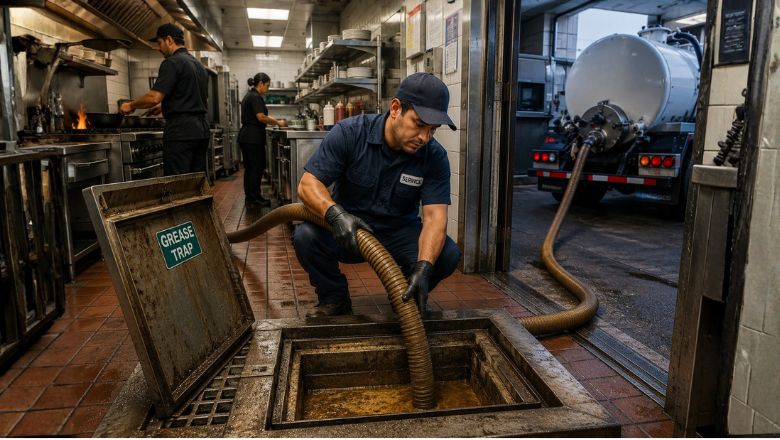
A grease trap is designed to intercept fats, oils, and grease removal before they reach the main sewer line. Grease floats to the top, heavier solids settle at the bottom, and cleaner water passes through. In theory, it’s a simple system. In practice, it requires consistent upkeep to keep working properly.
Over weeks and months of daily kitchen use, the grease layer thickens, and the trap’s ability to separate waste from water gradually weakens. Grease trap pumping clears out accumulated debris, restores full capacity, and gives the system a clean slate. Skip it long enough, and that same system becomes the source of drain backups, health code concerns, and plumbing repairs the kitchen budget was not prepared for.
Main Benefits of Grease Trap Pumping
| Benefit | What It Means in Practice |
| Prevents drain blockages | Kitchen operations stay on schedule |
| Controls foul odors | The dining experience stays pleasant |
| Protects the plumbing system | Reduces the need for emergency repairs |
| Supports sanitation standards | Health inspections go more smoothly |
| Extends equipment lifespan | Lower maintenance costs over time |
Why Experienced Restaurant Owners Never Ignore Grease Trap Maintenance
1. Keeps the Kitchen Running Smoothly
Slow drains don’t stay a minor inconvenience for long in a commercial kitchen. When drainage backs up, the whole operation feels it. Routine restaurant grease trap cleaning keeps things moving the way they should throughout a full-service shift:
- Sinks and floor drains clear quickly between tasks
- Dish stations keep pace without backing up
- Prep areas stay easier to clean and maintain
- Staff focus on their jobs rather than working around plumbing issues
For restaurants in high-volume areas like the Snake River Landing district in Idaho Falls or the dining strips of Twin Falls, that kind of uninterrupted workflow is simply the standard for getting through a busy night.
2. Protects Business Reputation
There’s a reason experienced operators take grease trap odor removal seriously: guests notice smells before they notice almost anything else. A dining room that carries even a hint of drain odor is one that guests remember for the wrong reasons, and in the age of instant online reviews, that memory has a much longer reach than it used to.
For restaurants near Jackson Hole or along the travel routes leading toward Yellowstone, where a large share of customers are visiting once and deciding whether to come back, that first impression carries genuine financial weight.
3. Saves Money Over Time
| Staying Ahead of the Problem | Falling Behind on Maintenance |
| Scheduled grease trap pumping services | Emergency plumber rates and call-out fees |
| Routine grease trap inspection costs | Revenue lost during kitchen downtime |
| Predictable, budgetable service visits | Water damage cleanup and restoration |
| Consistent grease trap cleaning schedule | Negative reviews and customer attrition |
The U.S. Small Business Administration consistently identifies unplanned operational disruptions as one of the most damaging financial events food service businesses face. In most cases, a single emergency plumbing response costs more than half a year of scheduled commercial grease trap cleaning service. Prevention is almost always the better deal.
4. Prevents Unexpected Business Downtime
A plumbing failure during Saturday dinner service doesn’t just affect that night. It affects the team scheduled for Sunday brunch, the reservations already confirmed for next weekend, and the guests who post about their experience before they’ve made it to the parking lot. Regular grease interceptor pumping significantly reduces the chance of an unplanned shutdown landing on your busiest day of the month.
5. Improves Equipment Efficiency
When wastewater moves freely through the system, every piece of equipment connected to it operates with less resistance. Dishwashers perform better, floor drains stay clear, and prep sinks don’t slow down mid-service. For kitchens running at high volume every day, that kind of consistent efficiency adds up in ways that show on the maintenance budget over time.
How Grease Trap Pumping Supports Health and Safety Compliance
Health inspections cover far more than food handling. Inspectors routinely assess drain conditions, odor control, and how a kitchen manages its wastewater, all of which trace directly to grease-trap upkeep.
| Inspection Area | Why It’s on Their Checklist |
| Drain flow and cleanliness | Central to basic sanitation compliance |
| Grease accumulation levels | Subject to local plumbing and health codes |
| Odor near drains and equipment | Affects both guests and staff environment |
| Wastewater management practices | Tied to municipal and environmental rules |
| Floor drain functionality | A kitchen safety and hygiene requirement |
The FDA Food Code identifies proper wastewater management as a core requirement for safe food service operations. Restaurants that maintain consistent grease trap compliance services aren’t simply staying out of trouble with the health department. They’re protecting the environment where their employees work and where their customers dine every day.
Warning Signs Your Restaurant Needs Grease Trap Pumping
Grease traps rarely fail without warning. The signs are usually there well before a backup occurs:
- Sinks are draining noticeably slower, especially after a heavy service
- Persistent odors near floor drains or under equipment
- Grease is visible around the drain openings or the floor drain covers
- Gurgling sounds from plumbing fixtures during normal operation
- Water pooling near prep stations or the dishwashing area
- Drain clogs that keep returning despite routine cleaning efforts
When several of these occur simultaneously, emergency grease-trap pumping is the appropriate response rather than a wait-and-see approach.
How Often Should Restaurants Schedule Grease Trap Pumping?
Service frequency depends on kitchen size, menu composition, fryer usage, and daily volume. There’s no universal schedule that works for every operation.
| Restaurant Type | General Service Frequency |
| Small café or bakery | Every 1 to 3 months |
| Mid-size full-service restaurant | Every 1 to 2 months |
| High-volume or multi-concept kitchen | Monthly or more often |
| Heavy fryer or fast food operations | Determined by actual grease output |
A reliable food service grease trap pumping schedule turns maintenance into a routine rather than a reaction, which is exactly where restaurant operators want to be.
Choosing Professional Grease Trap Pumping Services
Not every provider is equipped to handle the pace and demands of a commercial kitchen environment. When evaluating grease trap pumping near me, look for experience with food service properties specifically, responsible grease trap waste removal practices, and a team that can work around your service hours rather than interrupting them.
| What to Look For | Why It Makes a Difference |
| Reliable, flexible scheduling | Maintenance doesn’t disrupt service |
| Emergency response availability | Minimizes revenue loss from sudden failures |
| Compliant disposal practices | Meets local environmental requirements |
| Commercial kitchen experience | Better results, fewer surprises |
| Professional, clean equipment | Respects the standard of your facility |
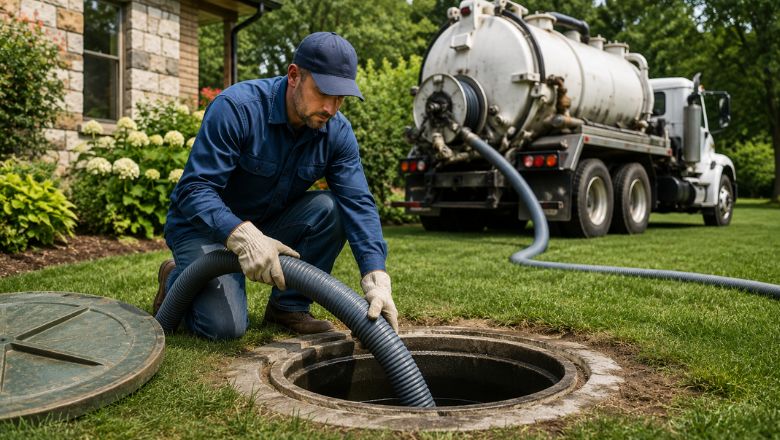
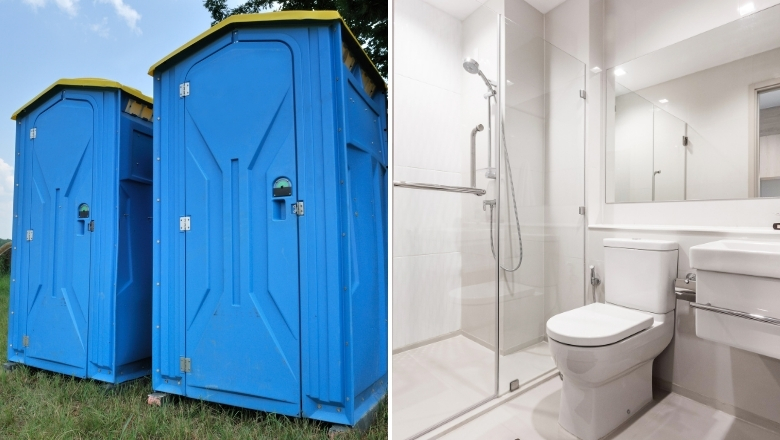
MVP Rentals provides grease trap pumping, septic services, portable restroom rentals, luxury restroom trailers, hand washing stations, and holding tank rentals across Eastern Idaho, Southern Idaho, and Western Wyoming. Their team works with restaurants and commercial properties throughout Idaho Falls, Rexburg, Pocatello, Twin Falls, Rigby, and Jackson Hole, bringing regional familiarity and dependable scheduling to every service call.
Best Practices to Reduce Grease Trap Problems
Scheduled service handles the bulk of the work, but daily habits inside the kitchen shape how quickly grease accumulates between visits.
1. Train Staff on Grease Disposal
Kitchen staff who understand how grease affects drainage are far less likely to cause avoidable buildup. Clear, straightforward guidelines on proper oil disposal and responsible drain use are among the lowest-cost investments a restaurant can make in its own plumbing health.
2. Scrape Plates Before Washing
Removing food solids before rinsing reduces what enters the system and meaningfully extends the interval between commercial grease trap cleaning visits. It’s a small habit with a compounding benefit.
3. Keep a Maintenance Schedule
Postponing a scheduled service appointment rarely saves money. In most cases, it simply shortens the runway before a more disruptive problem arrives at an inconvenient time.
4. Use Sink Strainers and Filters
Strainers catch food particles before they reach the trap. They’re inexpensive, easy to clean, and make a measurable difference in how quickly solids accumulate at the bottom of the system.
5. Monitor Grease Levels Regularly
A basic grease level check built into the weekly closing routine gives staff the visibility to flag developing issues before they become service-day emergencies.
The Restaurants Customers Remember Are Usually the Ones Running Smoothly Behind the Scenes
Every great dining experience depends on a kitchen that functions reliably without the guests ever knowing why. Consistent restaurant grease trap pumping protects that reliability. It keeps services from getting derailed, keeps health inspections from becoming stressful, and keeps repair costs from eating into margins that are already thin enough.
For food service operations throughout Idaho Falls, Rexburg, Twin Falls, Pocatello, Rigby, and across Eastern Idaho and Western Wyoming, MVP Rentals offers grease trap pumping, septic services, portable restroom rentals, luxury restroom trailers, holding tank rentals, and hand washing stations, backed by the kind of local knowledge that only comes from years of serving the same communities these restaurants call home. To schedule service or request a quote, call our experts at (208) 529-9916.