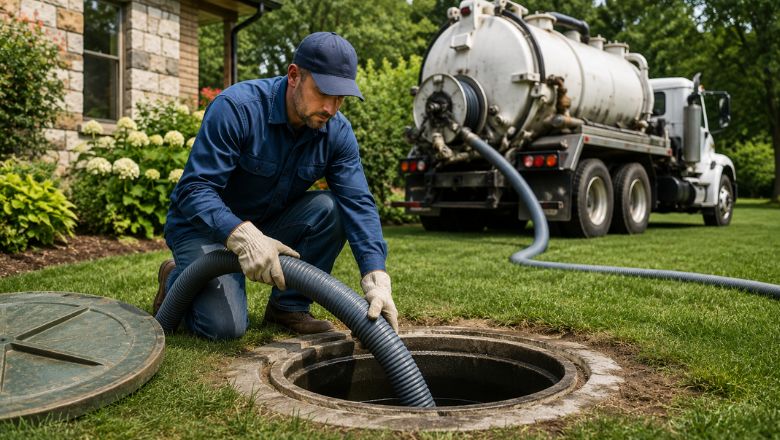
A well-maintained property can unravel surprisingly fast when the septic system starts to fail. What begins as a slow drain becomes standing water in the yard. That faint smell near the patio builds into something no summer gathering can recover from. For homeowners and property managers across Eastern Idaho, Southern Idaho, and Western Wyoming, these scenarios are far from rare.
In communities like Idaho Falls, Rexburg, Rigby, Twin Falls, Pocatello, and Jackson Hole, hard winters, seasonal ground shifts, and variable soil conditions make reliable septic tank pumping services a year-round responsibility rather than an occasional afterthought.
Most people only call a septic company after something has already gone wrong. The smarter approach is building regular, professional septic care into your outdoor maintenance plan before an emergency forces the issue.
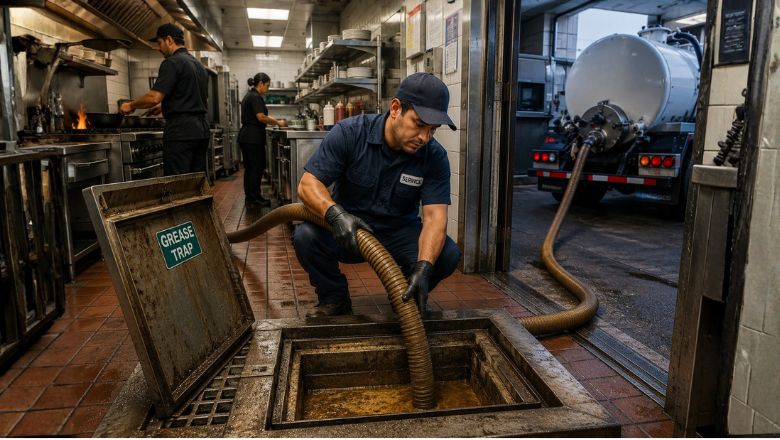
What Septic Tank Pumping Actually Does
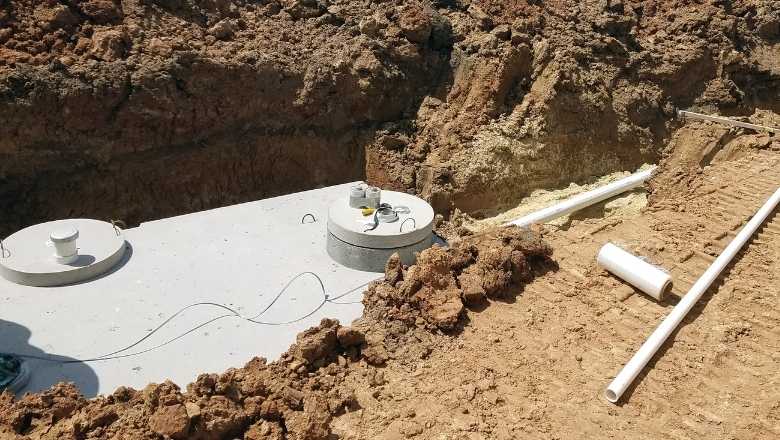
Your septic system handles wastewater from every drain in your home, including showers, sinks, toilets, and laundry machines. Here is what happens inside the tank over time:
| Layer | What It Is | What Happens If Left Unmanaged |
| Bottom | Solid waste that sinks and settles | Builds up until it spills into the drain field |
| Middle | Liquid layer (the only part that should exit) | Gets displaced as solids accumulate |
| Top | Grease and lighter materials that float | Contributes to blockages and system stress |
Once solids overflow into the drain field, the damage is extensive and expensive to reverse. Regular septic tank pumping removes the accumulated waste before it ever reaches that point. Here is what consistent pumping actually protects:
- Your drain field is from an irreversible solid waste overflow
- Your pipes are protected from pressure buildup and blockages
- Your overall system performance and lifespan
- Your wallet from emergency repair costs that can run into the tens of thousands of dollars
Skipping reliable septic tank pumping services does not make the problem disappear. It simply delays it while making it considerably worse.
How a Neglected System Damages Your Outdoor Spaces
Most outdoor improvement budgets go toward visible things such as patios, landscaping, lighting, and irrigation. What many property owners overlook is that the condition of what sits underground determines whether all of that investment actually holds up. A neglected septic system does not stay hidden indefinitely, and when it surfaces, it tends to damage exactly the spaces you worked to improve.
Here is how the damage typically shows up
- Patches of grass that turn unusually green or grow faster than the surrounding lawn
- Ground near the drain field that stays soft even during dry weather
- Pooling water around driveways, walkways, or low-lying areas with no obvious source
- Persistent soggy patches that never fully dry out between rain events
- Strong odors near the patio, deck, or outdoor kitchen that seem to worsen after rainfall
Properties that host events, operate as vacation rentals, or accommodate RV guests face these problems faster because higher usage accelerates buildup and shortens the window before something goes wrong.
The Pest Problem Most People Do Not Connect to Their Septic System
Standing wastewater and damp, contaminated soil are magnets for pests. Once mosquitoes, flies, rodents, and gnats settle near an outdoor space, they are genuinely difficult to eliminate. Routine septic pumping removes the moisture and organic material that give pests a reason to stay.
| Pest | Why They Appear | How Pumping Helps |
| Mosquitoes | Drawn to standing water near drain fields | Eliminates moisture buildup at the source |
| Flies | Attracted to sewage odors and exposed waste | Removes the odor and waste that draws them |
| Rodents | Burrow in damp, disturbed soil | Reduces damp soil conditions around the field |
| Gnats | Breed in organic waste near drain areas | Clears waste accumulation before it compounds |
Property owners who stay current with regular septic tank pumping services rarely deal with these secondary issues. The connection between consistent maintenance and a pest-free yard is more direct than most people expect.
Warning Signs You Should Not Ignore
Septic systems rarely fail without warning. The challenge is that early signs are easy to dismiss or blame on something else. If you notice any of the following, it is worth scheduling an inspection and reliable septic tank pumping services right away rather than waiting to see if things improve on their own.
- Slow drains are occurring in multiple fixtures at the same time
- Gurgling sounds coming from toilets or sinks after flushing
- Sewage odors indoors or near outdoor drains
- Standing water or persistently wet ground near the drain field
- Toilets are backing up repeatedly, even after being cleared
- Unusually lush or green grass growing directly over the tank or field lines
For properties across Eastern Idaho and Western Wyoming, acting quickly matters even more during winter. Frozen ground can complicate service access and accelerate damage that might otherwise be straightforward to address.
How Often Should You Schedule Pumping?
| Property Type | Recommended Frequency |
| Small household (1 to 2 people) | Every 4 to 5 years |
| Average household (3 to 4 people) | Every 3 to 4 years |
| Large household (5 or more people) | Every 2 to 3 years |
| Vacation rental or event property | Inspect annually, pump based on usage |
| RV hookup or seasonal site | Based on occupancy patterns |
The most important principle here is not waiting until something looks wrong. By the time visible symptoms appear, the system is already under significant stress. Preventive septic tank pumping costs a fraction of what emergency repairs or drain field replacement will run.
A Simple Seasonal Maintenance Routine
Keeping up with septic care throughout the year does not require a complicated system. A few consistent habits at the right times make a measurable difference.
- Spring: Inspect the drain field after snowmelt for pooling water or soft ground. Schedule septic tank pumping if it is overdue before ground activity increases.
- Summer: Monitor water usage during events and gatherings. Check for odors near outdoor spaces and trim vegetation around the drain field.
- Fall: Book a pumping appointment before the ground freezes. Review yard drainage patterns while access is still easy.
- Winter: Reduce unnecessary strain on the system. Watch for slow drains or freezing indicators and address anything unusual early.
A few additional habits worth building into your routine: avoid parking heavy vehicles over drain field areas, spread laundry loads out across the week rather than running several back-to-back, and keep maintenance records organized so nothing slips through the cracks.
The Provider That Serves Eastern Idaho and Western Wyoming
MVP Rentals, based in Rigby, Idaho, has built a strong reputation across Eastern Idaho, Southern Idaho, and Western Wyoming by delivering responsive, professional service on every job. As a family-owned company, we offer reliable septic tank pumping services, mobile RV pumping, portable toilets, luxury restroom trailers, holding tank rentals, and portable sink rentals across communities from Idaho Falls and Rexburg to Twin Falls, Pocatello, and Jackson Hole.
If you are ready to build a smarter outdoor maintenance plan or simply need to schedule a long-overdue pumping appointment, contact MVP Rentals at mvprentalsidaho.com or call (208) 529-9916.