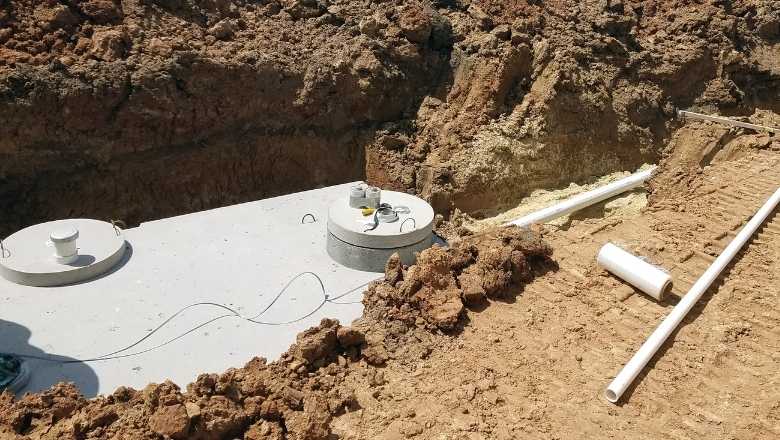
Your septic system is silently working every single day, and the moment it stops, everything stops with it. Most property owners only call a septic pumping company after a backup, an odor, or worse, a regulatory notice. By that point, the damage is already done. What begins as a skipped pumping cycle can escalate into drain field failure, groundwater contamination, and repair bills that dwarf years of routine maintenance. MVP Rentals has seen it firsthand across Eastern Idaho, and the pattern is always the same: avoidance leads to emergencies. It doesn’t have to.
This blog walks you through the real differences between residential and commercial septic systems, tank sizing, pumping schedules, compliance requirements, and the costs most people never see coming, so you can make informed decisions before a problem forces your hand.
The Basics: Why Residential and Commercial Septic Systems Can’t Be Compared Directly
The most expensive misconception in septic management is this: “A commercial system is just a bigger home system.” It isn’t. The difference isn’t just scale — it’s complexity, waste composition, regulatory exposure, and consequences when something fails.
A residential system handles predictable household wastewater. Volume is consistent, waste is straightforward, and the regulatory burden is relatively light. A commercial system, on the other hand, has to deal with changing daily loads, mixed waste streams (like grease, chemicals, and biohazardous materials, depending on the industry), and it has to follow health codes, environmental agency rules, and maintenance requirements that are written down.
| Factor | Residential | Commercial |
| Tank Size | 750–1,500 gallons | 1,500–20,000+ gallons |
| Waste Type | Standard household | Mixed, complex, industry-specific |
| Pumping Frequency | Every 3–5 years | Monthly to annually |
| Regulatory Body | Local health department. | Health codes + environmental agencies |
| Failure Consequence | Home inconvenience | Business shutdown, fines, license loss |
Tank Size: What the Numbers Actually Mean
Homeowners are often surprised to learn that residential tank sizing is determined by bedrooms, not bathrooms. Each bedroom has about two people living in it, which makes 70 gallons of wastewater every day.
- 1–2 bedrooms: 750-gallon tank
- 3 bedrooms: 1,000-gallon tank
- 4+ bedrooms: 1,250–1,500-gallon tank
Commercial sizing works entirely differently. It’s calculated based on daily occupant load, peak usage patterns, and the nature of waste generated, not square footage or room count. A small medical clinic and a small restaurant may be the same size, but they need very different septic systems.
Is your current tank undersized? Watch for these signals
- Slow drains across multiple fixtures simultaneously
- Gurgling sounds after heavy-use periods
- Wet patches or persistent odors near the drain field
- Frequent backups that correlate with busy days
Think about this: A tank that handled your business five years ago may be quietly failing today. When a business grows, it doesn’t just mean more money; it also means more waste, more often, in a system that wasn’t made to handle that much.
How Business Growth Can Outpace Your Septic System Capacity
This is the conversation most business owners never have until it’s urgent. When a campground gets twice as many seasonal guests, when a restaurant adds a second service, or when a school adds more students, the septic system usually doesn’t get updated at the same time as the business.
The result? A system operating above its design capacity. Solids accumulate faster, the drain field gets overwhelmed, and the buffer between “functioning” and “failing” shrinks with every passing month. That failure doesn’t just mean a hassle for commercial properties. It means breaking the health code, possibly having to close your business, and leaving a paper trail behind.
If your business has grown a lot in the last few years, you should have your current system checked out before anything goes wrong.
Pumping Frequency: The Schedule That Actually Protects You
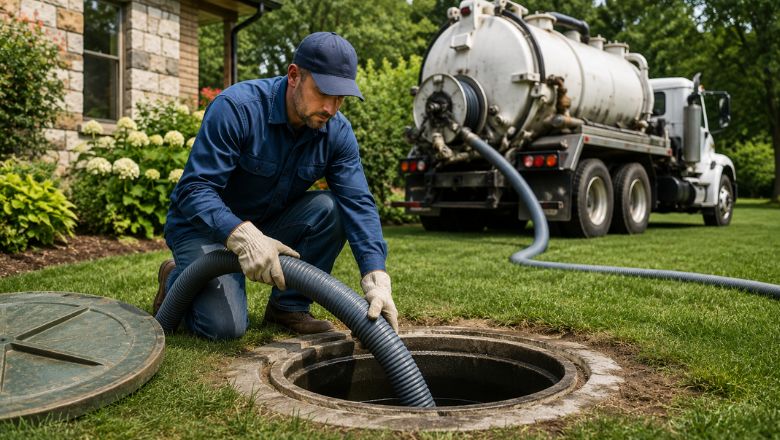
Residential septic tank pumping follows a 3–5 year cycle for most households.
If you use a garbage disposal, have a bigger family, or have an older tank with less effective capacity, that window gets shorter.
Commercial is a different conversation entirely:
| Industry | Recommended Pumping Frequency |
| Restaurants & food service | Every 1–3 months |
| Hotels & hospitality | Every 3–6 months |
| Office buildings | Every 6–12 months |
| Medical/healthcare | Every 1–3 months |
| Schools | Every 6–12 months |
| Campgrounds (seasonal) | Before and after peak season |
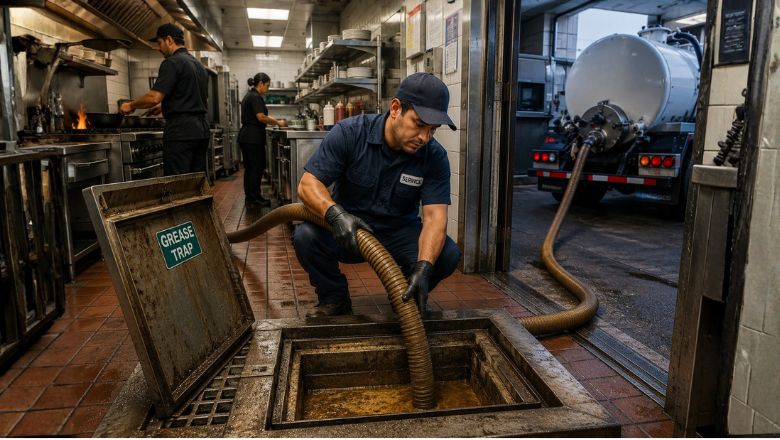
Restaurant grease trap pumping operates on its own schedule, separate from the main tank. Grease accumulates faster than standard waste and causes blockages, odors, and health code failures when ignored. Hotel septic tank service requires quarterly attention due to continuous, unpredictable guest turnover. Medical facility septic maintenance carries the added layer of biohazardous waste handling and documentation requirements. And septic pumping for campgrounds follows the seasons: service before opening, service after closing.
School septic tank pumping is often overlooked in maintenance planning, but schools generate consistent high-volume usage throughout the academic year and deserve the same structured schedule as other commercial facilities.
The difference between pumping and cleaning is often the difference between a routine service call and a full system overhaul.
Pumping vs. Cleaning vs. Inspection: Not the Same Service
These three terms get used interchangeably, but they’re distinct services with distinct purposes.
- Pumping removes liquid and floating waste from the tank. It’s the standard routine service most people schedule.
- Cleaning goes further, complete removal of solids, sludge, and wall buildup. It’s more thorough and is necessary when a tank has been neglected or when preparing for a detailed inspection.
- Inspection involves a camera or visual assessment of the tank, baffles, and drain field to identify cracks, root intrusion, or failing components. It answers the question pumping can’t: what condition is the system actually in?
Pairing a pump with an inspection gives you the clearest picture of your system’s health and eliminates guesswork from your maintenance planning.
Regulations & Compliance: What Non-Compliance Actually Costs
Most of the time, homeowners have to answer to their local health department. They have to have inspections every 3 to 5 years, which usually happen when the property is sold.
Commercial properties operate under a significantly stricter framework: health code compliance, environmental reporting, grease trap cleaning logs, documented pump-out records, and separate permitting for system modifications. Falling behind on any of these isn’t just a paperwork issue.
Non-compliance consequences include:
- Substantial fines per violation
- Forced business closures during remediation
- License revocations for food service, medical, or hospitality operations
- Mandated emergency repairs at premium cost
Do you have a backup plan in case your system fails in the middle of an operation, like a dinner rush, a fully booked hotel weekend, or a school day? Having a relationship with a provider that offers emergency septic pumping response before that moment arrives isn’t a luxury. It’s risk management.
Your Septic System Doesn’t Give Second Warnings: Take Action Now
Septic systems don’t announce problems in advance. They absorb neglect quietly, and then they fail loudly, at the worst possible time, in the worst possible way. The information in this blog exists for one reason: so you’re not caught off guard.
Residential septic tank pumping on a proper 3–5 year cycle protects your home and your property value. Commercial septic tank pumping done on schedule protects your business, your license, and your customers. The difference between a routine septic tank pumping services call and an emergency remediation project is almost always a matter of timing.
MVP Rentals serves residential homeowners and commercial operators across Eastern Idaho, Idaho Falls, Pocatello, Twin Falls, Montpelier, and surrounding areas, with the same commitment to reliability and precision on every job. Whether you need a routine pump, a commercial septic service, or emergency septic pumping near me when things can’t wait, our team is ready.
Don’t wait for a backup to tell you what a proper schedule would have prevented. Call MVP Rentals today: (208) 244-7789