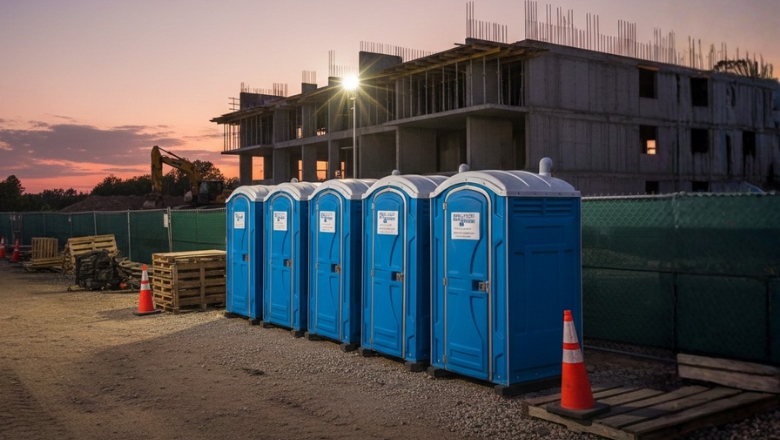
Here’s something nobody tells you when you first start managing construction sites: weather doesn’t care about your schedule. Your deadline’s set for mid-December? Great. That blizzard rolling in next week didn’t get the memo. The crew still needs to work. The equipment still needs to run. And yes—workers still need bathroom access.
Most contractors have watched foremen scramble at 6 AM because their standard porta-potties froze solid overnight. Doors wouldn’t open. Tanks cracked. The whole crew had to leave the site just to use a restroom. You know what that costs in lost hours? More than upgrading to weather-resistant restroom units in the first place.
Construction sites face enough variables without adding “will the bathrooms work today?” to the list. That’s where weatherproof portable toilet rentals come in, especially in areas like Pocatello, Rigby, Twin Falls, Rexburg, Montpelier, ID, and beyond. Not as an upgrade. As a baseline requirement for any site serious about staying operational.
Understanding the Need for Weather-Resistant Portable Toilets
How Weather Impacts Construction Site Sanitation
Let’s be honest—most people don’t think about portable toilet rentals until something goes wrong. Then suddenly it’s the only thing anyone’s talking about. Weather exposes every weakness in standard rental units faster than you’d think.
Here’s what different weather throws at you:
| Weather Type | What Actually Happens On Site |
| Heat waves (85°F+) | Odors intensify within hours, interiors become unbearable, and workers avoid using facilities altogether |
| Hard freezes (below 25°F) | Water lines freeze, doors ice shut, plastic cracks, and units become completely non-functional |
| Heavy rainfall | Water floods interiors, surfaces get contaminated, and stability issues appear on soft ground |
| Wind events (35+ mph gusts) | Units tip over, become airborne hazards, and create serious safety risks across the jobsite |
| Dust and debris | Ventilation clogs quickly, air quality drops, and internal components wear out faster |
Anyone running a portable toilet site in Pocatello through winter knows exactly what we’re talking about. Standard units don’t cut it. Period.
Key Features That Make Portable Toilets Truly Weather-Resistant
Did you know? Slips, trips, and falls account for over 25% of non-fatal workplace injuries, according to the U.S. Bureau of Labor Statistics (BLS). Poor flooring and water buildup inside basic portable toilets directly increase this risk on outdoor jobsites.
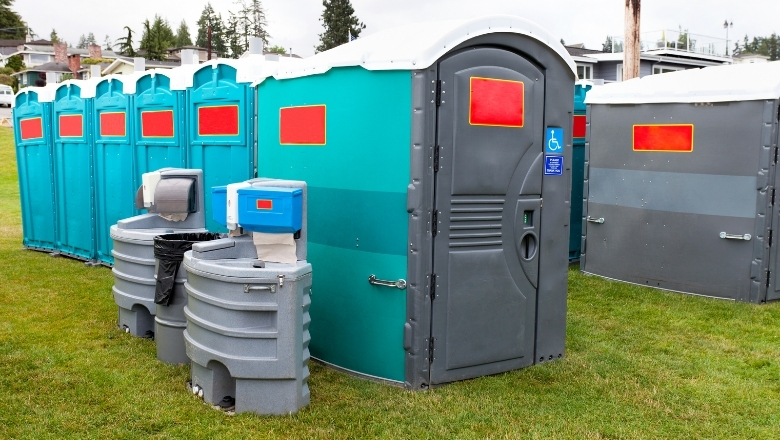
The gap between basic rentals and actual durable portable toilet units is massive. Think of it this way: one’s built for a weekend festival, the other’s engineered for an active construction zone operating in real-world conditions.
1. Reinforced Build Quality
Heavy-duty portable restrooms use thicker wall materials—we’re talking polyethylene that won’t crack when temps swing 40 degrees between day and night. The frame construction matters too. Cheap units warp under their own weight after a few months. Quality rugged portable toilet design holds up season after season. When you’re running long-term projects that need portable toilet rental in areas like Twin Falls and Pocatello across multiple seasons, durability directly impacts your bottom line.
2. Real Insulation, Not Just Thick Walls
Insulated portable toilets keep things functional when mercury drops. We’re not talking about slightly thicker plastic—actual insulation that prevents freeze damage and maintains interior temperatures. For anyone managing portable toilet sites in Rexburg during winter, this isn’t optional. It’s the difference between operational facilities and frozen hunks of useless plastic taking up space.
3. Flooring That Prevents Accidents
Smooth floors, mud, plus rain equal workers on their backs. Elevated, textured flooring systems keep water from pooling inside while providing actual traction. These portable toilet safety features reduce slip-and-fall incidents significantly. Simple upgrade, massive impact.
4. Anchoring Systems
Ever seen a porta-potty tumble across a site during high winds? It’s not funny—it’s dangerous and expensive. Anchored portable toilet units stay grounded during weather events that would send standard models flying. Storm-proof portable toilets use ground stakes or weight systems that prevent tipping. Critical for any exposed jobsite.
5. Ventilation Systems That Work
Here’s where most units fail completely. Ventilation in portable toilets needs to move air without letting weather in. Good systems regulate temperature, control odors, and maintain breathable conditions. Bad systems? Might as well not exist. The difference becomes obvious within 24 hours, especially in portable toilets for hot-weather applications.
The Real Benefits for Construction Sites
So what does all this actually get you beyond “nicer bathrooms”? Plenty.
1. Workers Stay Productive
OSHA regulations require toilet facilities within 10 minutes of work areas. If your units stop working, so do the workers. They’re not being difficult—they literally have to leave the site to find usable facilities. All-season portable toilets eliminate this problem entirely. Crew stays on site, work continues, productivity stays consistent.
2. Fewer Project Delays
Most contractors have seen three-day delays because replacement units couldn’t arrive during a storm. The original rentals failed, the site couldn’t operate without facilities, and suddenly you’re explaining to ownership why the schedule’s blown. Construction toilet rental decisions made at project start determine whether the weather creates minor inconveniences or major stoppages.
3. Improved Safety Records
Tipped units, contaminated surfaces, and slip hazards—all preventable with proper equipment. According to OSHA data, construction accounts for a significant share of workplace injuries each year. While sanitation might seem minor compared to fall protection, inadequate outdoor sanitation facilities contribute to incident rates through various pathways.
4. OSHA Compliance Gets Easier
OSHA-compliant portable restrooms must meet specific requirements. Not suggestions—requirements. Here’s the breakdown:
| Jobsite Size | Required Facilities |
| 1–20 workers | Minimum 1 toilet |
| 21–200 workers | 1 toilet per 40 workers (plus 1 urinal per 40 workers) |
| 200+ workers | 1 toilet per 50 workers (plus 1 urinal per 50 workers) |
Based on OSHA Standard 1926.51
Facilities need to be regularly serviced—weekly minimum for small crews, more frequently for larger groups. Weather-resistant units actually meet these standards consistently, rather than meeting them only when conditions cooperate.
5. Better Worker Morale
This one’s harder to quantify but impossible to ignore. Crews notice when management invests in proper facilities. It signals that worker welfare matters. That seemingly small decision affects retention, work quality, and overall site atmosphere more than most managers realize.
Best Practices for Using Portable Toilets in Extreme Weather
Even top-tier construction site restroom solutions need smart deployment. Here’s what actually works in the field.
1. Cold Weather Management
Sites requiring portable toilet rental in Rexburg or similar cold-climate services need these basics:
- Place units on the lee side of structures or equipment to block wind
- Start with portable toilets for cold weather as your standard, not an upgrade
- Schedule servicing twice weekly, minimum, when temperatures drop below freezing
- Check door mechanisms every morning—ice buildup happens overnight
- Keep a maintenance log so you catch patterns before failures occur
2. Hot Weather Protocols
When you’re setting up portable toilet sites in areas like Rigby during the summer months:
- Position units away from direct afternoon sun whenever possible
- Verify ventilation stays clear—this is where most failures start
- Increase servicing frequency to twice weekly at a minimum
- Provide hand sanitizer stations as a backup hygiene measure
- Monitor portable toilet odor control effectiveness daily
3. Rain and Wind Strategies
For portable toilet rental placements and similar exposed locations:
- Anchor everything. No exceptions. Every unit gets secured.
- Avoid low spots that collect water—seems obvious, but it gets overlooked constantly
- Use elevated-floor models for rain-resistant portable restrooms functionality
- Inspect all units after severe weather before allowing use
- Keep a few extra units available for rapid replacement if needed
Final Takeaway: Building Smarter Sanitation Into Every Project
Construction sites throw enough challenges at you without sanitation becoming one more headache. Weather will test your equipment—that’s guaranteed. The question is whether your facilities can handle what’s coming.
Proper construction site hygiene solutions keep projects moving regardless of conditions. That matters whether you’re managing a small crew or coordinating across multiple sites. The investment in jobsite sanitation services that actually work pays returns in productivity, safety, and compliance.
For sites across Idaho—from portable toilet rental needs in Pocatello to Twin Falls, Idaho Falls, Rexburg, Montpelier, ID, and everywhere between—choosing providers who understand real construction demands makes all the difference.
MVP Rentals specializes in jobsite bathroom rentals built for actual field conditions. Our approach to construction site restroom solutions reflects something most providers miss: sanitation isn’t a side detail you handle at the last minute. It’s the infrastructure that either supports your operation or undermines it. Get it right at the start, and everything else runs smoother.
For more information or to schedule an appointment with our team, feel free to contact us at (208) 244-7843.