Life on the road through Eastern Idaho and Western Wyoming is hard to beat. From the open stretches near Idaho Falls to the mountain views around Driggs and Teton Valley, this region draws RVers back every season. But wherever you are parked, your black tank fills up on schedule. When it does, you have two choices: call for on-site RV pumping or drive to a dump station and handle it yourself.
This guide breaks down both so you can pick what actually fits your travel style.
Understanding Your RV Waste System
The Difference Between Your Black Tank and Grey Tank
Your RV has two separate holding tanks. The black tank stores toilet waste. It is biohazardous, regulated, and requires proper handling for safe disposal. The grey tank collects water from sinks and showers. Grey tank drainage is less urgent, but neglecting it can lead to odors and overflow that build up faster than most people expect.
Both are part of your core RV plumbing maintenance routine. Ignoring either one leads to clogged valves, damaged sensors, and repair costs that a routine service visit would have prevented.
What Is On-Site RV Pumping?
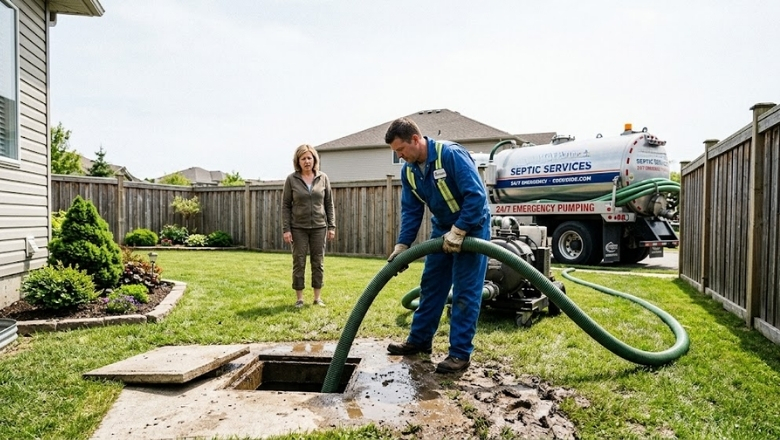
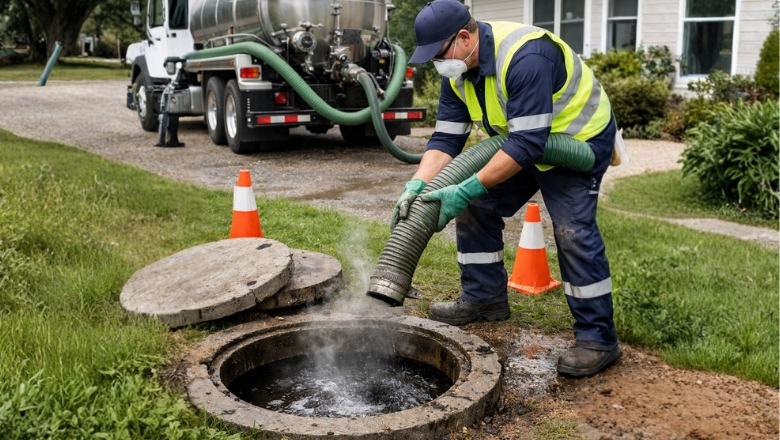
On-site RV pumping is exactly what it sounds like. A trained technician from a professional RV pumping company drives to wherever your RV is parked, connects to your waste outlet, pumps out both tanks, and hauls everything away for proper disposal. You do not unhook your rig, you do not drive anywhere, and you do not touch a single hose.
MVP Rentals has been providing mobile RV pumping service across Eastern Idaho, Southern Idaho, and Western Wyoming since 2017. The team covers Idaho Falls, Rexburg, Pocatello, Blackfoot, Driggs, and Jackson Hole, so whether you are parked near the Snake River or along the Henry’s Fork, reliable portable RV waste pumping is a phone call away.
Why Idaho Winters Make On-Site Service Worth It
Eastern Idaho winters are serious. From late November through early March, temperatures across Jefferson County, Bingham County, and Butte County stay below freezing for days at a stretch. Roads near Arco and Mud Lake ice over fast, and rural routes are not always well-maintained. Driving a loaded rig to a campground dump station in those conditions is a risk you can easily avoid by scheduling on-site RV pumping instead.
What On-Site Pumping Gets Right
The biggest practical advantage is that you never move your rig. For large fifth wheels or tight campsites, that matters. Beyond that, a professional RV waste removal service means no hose handling, no spills, and proper disposal every time. When your tank level monitoring system shows the black tank is full, you are not stuck searching for a “dump station near me” that might be locked or poorly maintained.
What Are RV Dump Stations?
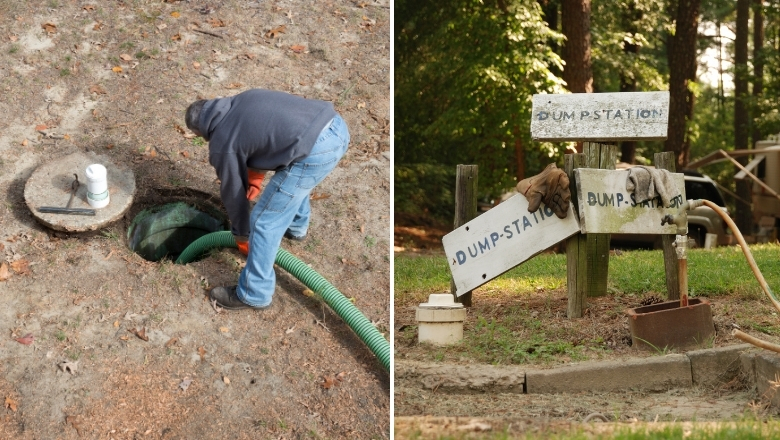
A dump station is a fixed facility where you drive your RV to empty your tanks yourself. These are found at campgrounds, RV parks, and some fuel stops along Idaho highways like I-15 and US-20. You connect your sewer hose to a drain inlet, open the black tank valve first, then the grey tank valve to flush the line, cap everything off, rinse the area, and move on.
When a Dump Station Makes Sense
Dump stations work best when you are already on the road, and a campground dump station falls on your route without a detour. RV who move frequently and stay at parks with included dump access tend to work them into their routine naturally.
On-Site RV Pumping vs. Dump Stations: A Straight Comparison
| Factor | On-Site RV Pumping | Dump Stations |
| Effort Required | Service comes to you | You drive, connect, and manage it yourself |
| Hygiene and Safety | Handled entirely by professionals | You manage hoses and contact with waste |
| Best Situations | Extended stays, remote sites, large rigs | Active travel, manageable levels, and nearby access |
| Idaho Winter Use | Works year-round, no road risk | Access gets difficult in freeze conditions |
| Tank Level Flexibility | Works even when tanks are near capacity | Best before tanks are already overfull |
Which Option Fits Your Travel Style?
On-site RV pumping is the better choice when
- You are staying in one location for more than a day or two
- Your site does not have hookups or easy dump access
- Your black tank is near capacity, and driving is not practical
- Winter conditions make the trip to a facility an unnecessary risk
A dump station works when
- You pass one along your travel route, and the tanks are not full
- Your RV park includes dump access as part of your site stay
Most RVers spending real time in Eastern Idaho or Western Wyoming find that on-site service removes more problems than it creates. Tank management should not be what cuts a good trip short.
Practical Tips for Staying Ahead of Tank Problems
- Watch your levels consistently. Your tank-level monitoring system only helps if you check it daily while the rig is in heavy use. Schedule RV tank pumping before you travel, not after the sensor alarm fires.
- Use tank treatments between service visits. Enzyme-based products break down waste and control odors inside your black tank between RV pump-outs. They offer protection for sensors against long-term accumulation at minimal cost.
- Flush after every black tank dumping. Rinse the tank before closing the valve. Solids near sensors cause inaccurate readings and avoidable long-term damage.
- Use RV-safe toilet paper. Standard household paper does not dissolve in holding tanks and is a leading cause of black tank clogs.
MVP Rentals: Local Service You Can Count On
MVP Rentals is a family-owned company based in Rigby, Idaho. Since 2017, the team has handled RV pumping services, septic work, and portable sanitation for residents and travelers across Eastern Idaho, Southern Idaho, and Western Wyoming. They know the roads and the seasons out here. When you call, you are talking to people who live and work in the same area you are traveling through.
Whether you need a one-time mobile RV pumping service or regular visits during a longer stay, the process is straightforward. Call (208) 529-9916 To Book Your Service Today.