There’s something quietly working beneath your property right now: your home’s underground plumbing system. It handles thousands of gallons every year without complaint, until one day it just stops. Septic service might sound like one of those things you can push off until next year, but here’s what actually happens: your household wastewater system doesn’t give gentle warnings. Instead, you get sewage in your yard or worse, backing up through your drains. We’ve watched too many homeowners at MVP Rentals deal with disasters that could’ve been avoided with basic upkeep. Let us walk you through why staying on top of maintenance saves you from headaches you really don’t want.
What you’re about to read breaks down exactly how skipping septic system maintenance tears apart your wastewater setup. You’ll see the progression from tank problems to drain field disasters, understand the real health dangers, and learn how preventive septic care keeps everything running right for years.
Understanding Your Household Wastewater System
Your septic setup has three main players that team up to treat wastewater right on your land. Getting the basics straight shows you why residential septic service can’t be optional.
What Is a Household Wastewater System?
Think of your household wastewater system like a mini treatment plant in your backyard. The septic tank catches everything from your house—toilets, showers, and washing machines. Heavy waste sinks down while lighter material floats up top. Bacteria living in there do the dirty work of breaking down waste. What’s left as liquid moves out to the drain field through pipes with holes, spreading across trenches filled with gravel. Then your soil takes over as the final filter, catching bacteria before water makes it to groundwater. Your residential wastewater treatment deals with all this daily waste pretty efficiently, as long as you’re not neglecting it.
How Septic Service Supports System Performance
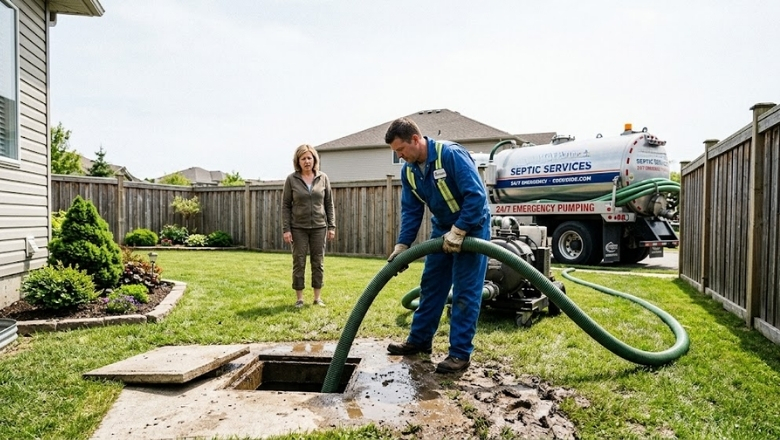
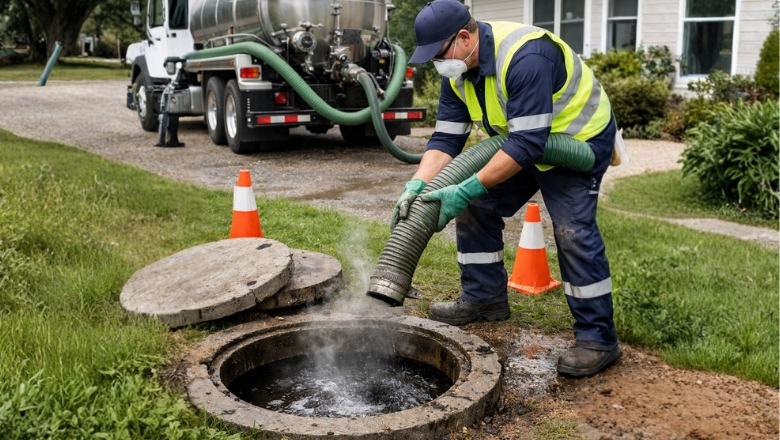
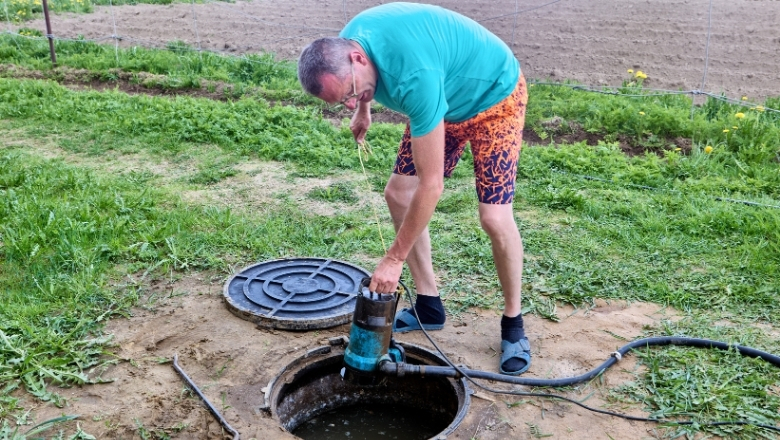
Getting regular septic tank service means keeping that whole balance intact. Pros come pump out the built-up solids before things overflow, check for cracks or worn parts, and make sure your drain field’s still soaking up water as it should. Septic inspection services spot the little stuff: worn baffles, early saturation signs, before they snowball. We measure how much sludge has piled up at MVP Rentals, look at how water’s distributing, and basically give your home wastewater management system a full checkup.
What Happens When Septic Service Is Neglected
Skip pumping for too long, and your household wastewater system goes downhill in ways you can practically set your watch by.
1. Solid Waste Buildup in the Septic Tank
Every single time someone flushes or runs laundry, more solids land in your tank. Miss residential septic service for years, and those layers just keep growing. Sludge climbs higher from the bottom. That scum layer on top gets thicker and thicker. Pretty soon, you’ve got barely any room for fresh wastewater to settle properly. The bacteria can’t handle the workload anymore. Then, solid waste starts flowing out to your drain field, which was never built to handle anything except liquids.
2. Clogged Pipes and Slow Drains
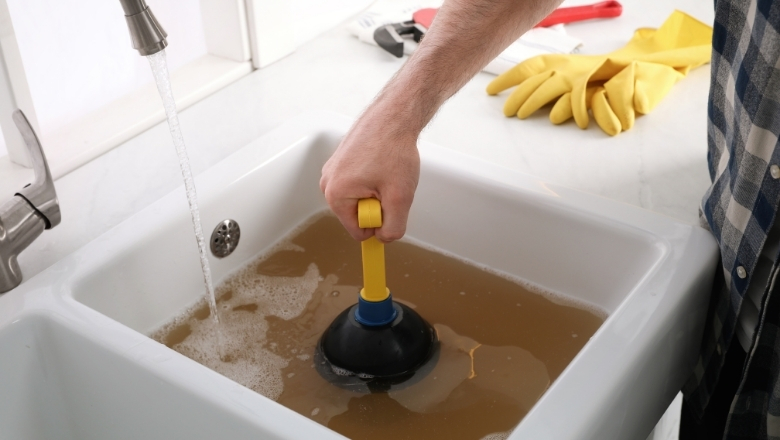
Once your tank’s maxed out, slow drains and odors pop up all over your house. Your kitchen sink takes forever to empty. The toilet makes weird gurgling noises when you flush. Shower water just sits there. These aren’t small annoyances—they’re flashing red lights telling you the system can’t keep up anymore. Sewage backup prevention goes out the window when pipes start clogging with solid stuff. Ignore what’s happening, and you’re looking at sewage coming right back into your house through drains.
HERE’S THE REALITY: Solids in your drain field usually mean permanent damage. Prevention runs a few hundred bucks. Replacement? That’s a whole different beast.
Damage to the Drain Field and Soil
Your drain field’s where things get expensive fast, though staying consistent with septic system maintenance stops most failures before they start.
1. Drain Field Saturation and Failure
When solid waste clogs up those pipes and gravel, your soil just quits absorbing wastewater. Drain field contamination starts showing up as soggy spots in your lawn, grass dying off, and sewage stink outside. The ground stays soaking wet even when it hasn’t rained. You get puddles forming right over where your field sits. Eventually, the whole thing stops working because there’s literally nowhere for wastewater to go. Replacing a dead drain field means tearing up your yard and starting over from scratch.
2. Long-Term Soil Contamination
Beyond wrecking your system, ignoring maintenance creates soil and groundwater pollution that spreads way past your property lines. Raw sewage dumps nitrogen, nasty bacteria, and disease-causing stuff into the dirt around it. Bacterial contamination doesn’t respect boundaries; it seeps down through soil layers heading straight for wells and water supplies. Your neighbors’ drinking water could end up contaminated. Local creeks and ponds take hits, too. Getting that cleaned up needs professional work that drags on for years.
Health and Safety Risks of Poor Septic Maintenance
Systems that fail create actual health problems that put everyone around at risk.
1. Exposure to Harmful Bacteria and Pathogens
Raw sewage’s loaded with E. coli, salmonella, hepatitis viruses, parasites—stuff that makes people seriously sick. Bacterial contamination shows up when sewage surfaces in your yard where kids are playing or when it backs up inside through your drains. Anything that touches contaminated wastewater has to get professionally sanitized before it’s safe again.
2. Odors and Indoor Air Quality Issues
That sewage stench means your household wastewater system’s releasing toxic gases—hydrogen sulfide, methane, the works. Breathing in those toxins leads to headaches, feeling sick to your stomach, and breathing trouble. Slow drains and odors inside also destroy your property value instantly. No buyer is touching a house with obvious septic problems.
| Warning Sign | What’s Going On | What To Do |
| Sewage smells | Tank’s full or field’s dying | Call right now |
| Slow drains | The system can’t keep up | Get an inspection scheduled |
| Gurgling toilets | Pipes are blocked | Need a professional look |
| Wet spots outside | The drain field is saturated | Emergency service time |
How Regular Septic Service Prevents System Damage
Preventive septic care through staying on schedule protects what you’ve invested and keeps disasters from happening.
1. Routine Pumping and Inspections
Pumping every 3-5 years, depending on how many people live there, clears out the buildup and brings capacity back. Septic inspection services look at tank walls, baffles, pipes, and how the drain field’s doing. Our team at MVP Rentals sets up schedules that match your specific home wastewater management situation.
2. Extending the Life of Your Household Wastewater System
Systems getting regular septic system maintenance hit 30+ years easily. The ones getting ignored? Often fail around 15 years in. Spending a few hundred on routine septic tank service beats paying for emergency fixes or total replacement by a mile. Your residential wastewater treatment system is a serious investment that deserves protection.
YOUR INSURANCE WON’T COVER THIS: Most policies skip failures from missed maintenance. You’re covering repairs yourself—prevention wins over emergency response every time.
Why Septic Service Is Essential for Household Wastewater Health
Your household wastewater system needs regular attention just like your heating system or roof does. Septic service isn’t something you can skip; it’s essential upkeep that protects your family’s health, what your property’s worth, and the environment around you. You wouldn’t go five years without changing your car’s oil, right? The same thinking applies to septic system maintenance, except what’s at stake includes sewage inside your house and contaminated groundwater.
Protecting What Matters Most
Skip septic service long enough, and you’re watching damage snowball from septic tank overflow straight into the drain field destruction. Drain field contamination doesn’t stop there—it becomes soil and groundwater pollution, hitting wells and messing up local ecosystems. Bacterial contamination? Slow drains and odors? Sewage backing up? They’re all coming your way eventually. But here’s the thing—regular septic system maintenance cuts all that off at the pass. Scheduled pumping and septic inspection services catch problems early. Preventive septic care costs you way less money than emergency repairs, plus it keeps your family out of harm’s way.
We’ve been working with families around here since 2017 at MVP Rentals. We bring solid residential septic service to folks in Idaho Falls, Pocatello, Rexburg, Twin Falls, and Montpelier. Our crew really understands household wastewater systems—we’re talking inside and out. Safety matters to us. So does showing up when we say we will and getting the job done right. Routine checkups or middle-of-the-night emergencies, it doesn’t matter—we treat your place the way we’d treat our own homes.
Look, don’t just sit there waiting for small problems to blow up into major disasters. Your household wastewater system needs proper septic service, plain and simple. Give MVP Rentals a call today at (208) 244-7789 and let’s get your septic inspection services scheduled. Neglect always catches up with you eventually, and it’s never cheap when it does. Your family’s health is on the line here, and so is what your home is worth.