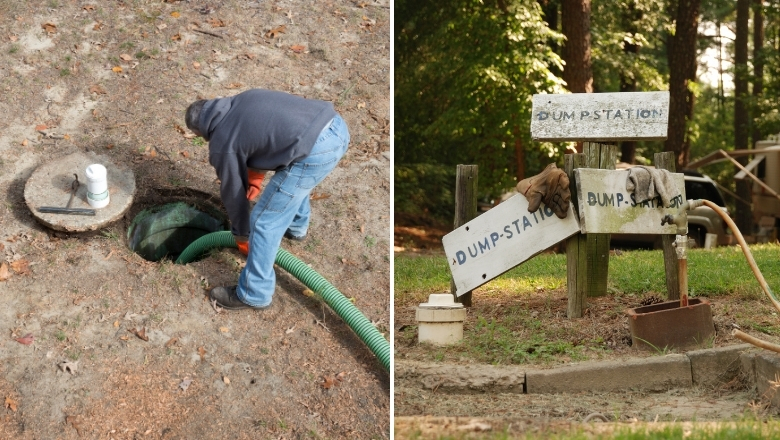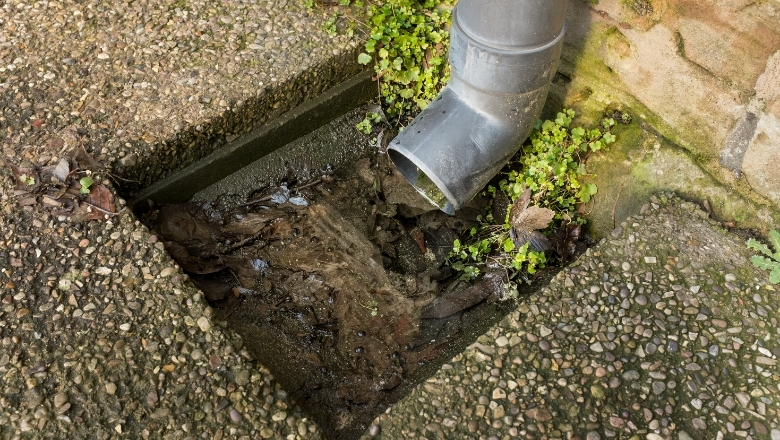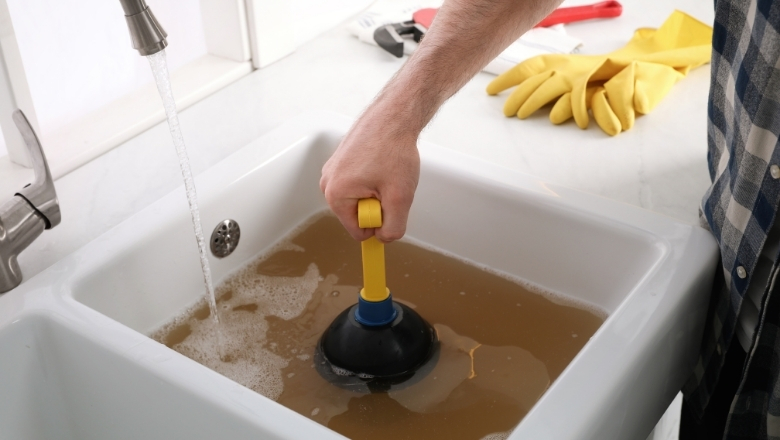
Few household problems escalate as quickly or as unpleasantly as an emergency sewage backup. What begins as a slow drain or a faint odor can rapidly develop into contaminated water inside your home, costly structural damage, and significant health hazards.
For homeowners and businesses across Eastern Idaho, from Idaho Falls and Ammon to Rexburg, Pocatello, and Rigby, many properties rely on septic systems rather than municipal sewer networks. While septic systems are reliable when maintained properly, neglecting routine septic tank pumping or ignoring early warning signs can lead to serious problems.
According to the U.S. Environmental Protection Agency, more than one in five U.S. households depend on septic systems, making proper maintenance essential for protecting both property and groundwater.
In this guide, we will explain:
- The most common signs of sewage backup
- What causes septic systems to fail
- The risks of delaying action
- Why timely septic tank cleaning and pumping can prevent expensive repairs
Understanding these warning signs early can help you avoid a full septic tank overflow and the disruption that follows.
What Is a Sewage Backup?
A sewage backup happens when wastewater that is supposed to move away from the home reverses course and returns through drains, toilets, or basement fixtures. The flow that should be heading toward the septic tank and drain field has nowhere left to go, so it comes back the way it came.
| Type of Backup | What the Homeowner Sees |
| Internal backup | Sewage appearing in toilets, sinks, or basement floor drains |
| External backup | Wastewater surfacing in the yard near the tank or drain field |
Both situations indicate that the system is under serious pressure and requires either immediate sewage backup repair or professional pumping before the situation worsens further.
The EPA has also documented that improper septic system maintenance is among the leading causes of groundwater contamination in rural communities across the country.
Why Sewage Backup Happens in Septic Systems
A healthy septic system separates solids from wastewater, allows the liquid to filter gradually into the drain field, and handles the daily demands of the household without issue. When the system is overloaded or has been out of service for too long, that process starts to break down.
Common causes behind emergency sewage backup situations
- A tank that has filled beyond capacity because pumping was skipped or delayed
- Excessive water usage putting more volume into the system than it can process
- Non-biodegradable materials flushed into the system are blocking the flow
- Drain field failure caused by prolonged soil saturation
- Tree roots that have grown into and damaged underground pipes
Homes throughout Idaho Falls, Twin Falls, and the surrounding rural communities are responsible for managing their own systems, and the U.S. Centers for Disease Control and Prevention has noted that poorly maintained septic systems contribute to thousands of water contamination incidents in the United States each year.
5 Signs You Need Immediate Septic Tank Pumping
Septic systems rarely fail without sending signals first. The homeowners who avoid the worst outcomes are the ones who recognize those signals and act on them before the situation escalates. Some common warning signs that your septic system needs professional pumping and maintenance include:
1. Slow Drains Throughout the House
A single slow drain usually points to a localized pipe blockage. When multiple drains across the home begin slowing down simultaneously, the septic system is almost certainly involved.
What this looks like in practice
- Sinks that take noticeably longer to empty than they used to
- Showers or bathtubs holding standing water during use
- Toilets that flush sluggishly or require multiple attempts
This pattern is a classic slow-draining septic problem and typically means solids have accumulated in the tank to the point where they are restricting normal wastewater flow throughout the system.
2. Foul Odors from Drains or Yard
A persistent sewage smell in the house or in the yard around the tank area is not something to wait on. When a septic tank approaches capacity, gases from decomposing waste begin travelling back through the plumbing rather than venting properly.
Where homeowners typically notice this first
- A rotten egg odor rising from the bathroom or kitchen drains
- A strong smell is concentrated near the septic tank location
- Sewage odors drift across the yard following rainfall
These odors are a direct signal that the tank requires septic tank cleaning and pumping without further delay.
3. Gurgling Sounds in Pipes
Gurgling sounds coming from plumbing fixtures indicate that air is trapped somewhere in the system and wastewater is struggling to move through a partially obstructed line.
When homeowners tend to hear these sounds
- Immediately after flushing a toilet
- While a washing machine is draining
- When a bathtub or sink is emptying
These noises are not a plumbing quirk worth ignoring. They indicate that pressure is building within the system and that flow has already been restricted to the point where the problem is actively present.
4. Water Pooling Around the Septic Tank Area
Visible standing water near the tank or drain field is one of the clearest septic tank full symptoms a property can show. When the system can no longer absorb additional wastewater, it surfaces, and the yard becomes the most visible indicator that something has gone seriously wrong.
| Warning Sign | What It Likely Indicates |
| Wet or soggy patches in the yard | Drain field failure or overflow |
| Grass that is unusually green near the tank | Nutrient-rich wastewater leaking into the soil |
| Standing water directly above the tank | Septic tank overflow requiring immediate service |
This condition requires urgent emergency septic service to prevent contamination of the surrounding soil and the groundwater below it.
5. Sewage Backup in Basement or Toilets
A basement sewage backup is the point at which the situation has moved beyond a warning sign and into an active emergency. The tank has reached capacity, and wastewater has genuinely nowhere else to go.
What this stage looks like
- Wastewater is backing up through the basement floor drains
- Toilets are overflowing without being in use
- Sewage appearing in lower-level fixtures inside the home
Immediate sewage backup repair and septic tank pumping are required at this stage. Operating any plumbing in the home while this is happening will only worsen the contamination.
Health Risks of Sewage Backup
Property damage is the visible consequence of a backup, but the health implications are what make this situation genuinely one that cannot wait. Raw sewage carries bacteria, viruses, and parasites that can cause illness through inhalation and contact.
Health risks associated with sewage exposure
- Gastrointestinal infections from direct or indirect contact
- Skin irritation and respiratory problems from prolonged exposure
- Contaminated indoor air affects the entire household
- Pathogen exposure that poses a particular risk to children and elderly residents
The World Health Organization estimates that poor sanitation contributes to hundreds of thousands of illnesses worldwide each year.
Preventing septic tank overflow is not simply a property maintenance matter. It is a health matter.
How Septic Tank Pumping Prevents Sewage Backup
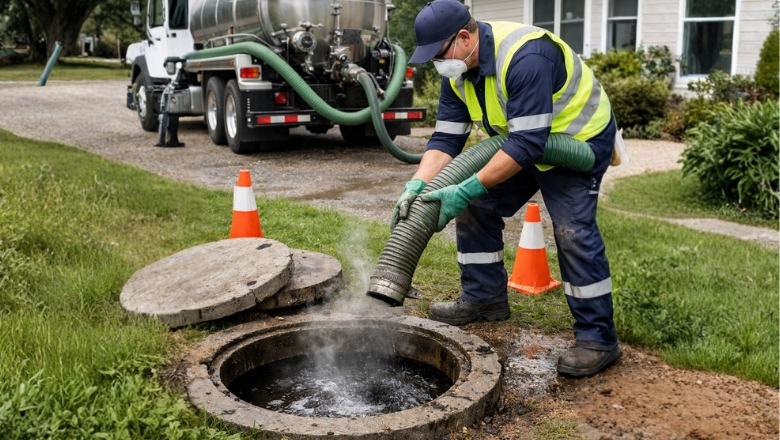
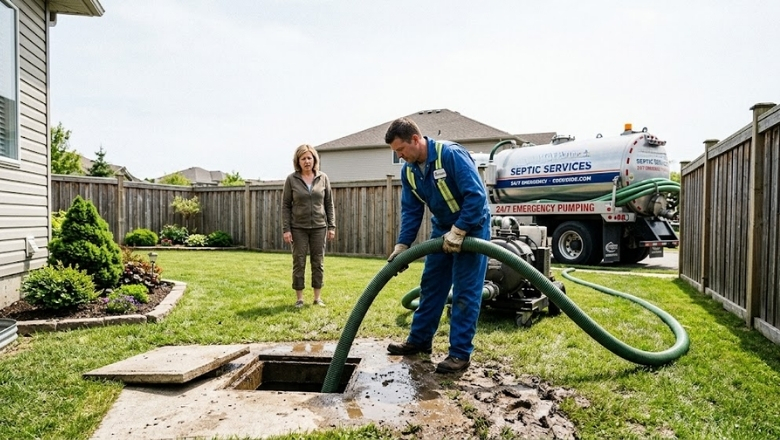
Routine septic tank pumping removes accumulated sludge and solid waste from the tank before they reach a level that interferes with the system’s function. A professional septic pumping company uses specialized equipment to safely clear the tank and inspect the system for anything that may develop into a larger issue.
What regular pumping protects against
- Tank overflow that forces wastewater back into the home
- Drain field damage caused by solids passing through a full tank
- The kind of sudden emergency that routine maintenance would have prevented
- Premature failure of a system that should have years of reliable service left
Most professionals recommend pumping every one to three years, depending on household size and daily water usage. Consistent service on that schedule keeps the system functioning the way it was designed.
What to Do During a Sewage Backup Emergency
Acting quickly during an active backup limits both the damage and the contamination. The instinct to keep using the plumbing and hope the problem clears itself typically makes things considerably worse.
Immediate steps while waiting for professional help
- Stop using all water and plumbing inside the home
- Avoid any contact with the contaminated water or affected surfaces
- Open windows and ventilate affected areas as much as possible
- Contact a professional emergency septic service provider without delay
Preventative Maintenance Tips for Septic Tank Pumping
The homeowners who rarely face emergency situations are almost always the ones who treat septic system maintenance as a scheduled habit rather than something they get around to eventually.
Practical steps that keep the system running reliably
- Schedule septic tank cleaning and pumping every one to three years without exception
- Keep wipes, paper towels, and non-biodegradable materials out of the system entirely
- Spread laundry loads across the week rather than running multiple cycles in a single day
- Arrange periodic professional inspections so that developing issues are caught early
| Maintenance Task | Recommended Frequency |
| Professional septic tank pumping | Every 1 to 3 years |
| Full system inspection | Every 1 to 3 years alongside pumping |
| Drain field visual check | Seasonally, particularly after heavy rain |
| Alarm and pump check (if applicable) | Annually |
Protect Your Property Before a Small Problem Becomes a Major Emergency
Septic systems communicate clearly when something is wrong. Slow drains, persistent odors, gurgling pipes, wet patches in the yard, and wastewater backing into the home are not subtle hints. They are clear signs of a sewage backup that indicate your system needs professional septic tank pumping, and the cost of responding promptly is a fraction of what ignoring them would entail.
For homeowners and businesses throughout Eastern Idaho, including Idaho Falls, Rexburg, Rigby, Twin Falls, and Pocatello, MVP Rentals provides septic tank pumping, inspection, repair, and maintenance services for residential and commercial systems. Our team handles tanks up to 1,000 gallons and responds promptly across the region, so when a situation calls for immediate service, the wait is short.
If any of the warning signs in this guide sound familiar, reaching out to our team at (208) 244-7641 now is considerably easier than dealing with what follows if the problem is left to develop further.