A slow drain is rarely “just a slow drain.”
In Eastern Idaho—where many homes rely on septic systems and weather conditions can complicate underground plumbing—what starts as a small inconvenience often turns into an expensive emergency. The sink drains more slowly than usual. The shower pools a little. The toilet bubbles once. You ignore it… until the smell arrives or the backup becomes unavoidable.
The truth is: most slow-drain problems don’t happen overnight. They build quietly, and homeowners unintentionally make the situation worse through delay, guesswork, or poor maintenance habits.
If you live in Idaho Falls, Rigby, Menan, Rexburg, Ammon, or nearby communities, this guide is designed for you. We’ll break down the causes of slow drains, what happens when they’re ignored, and the seven most common mistakes people make—plus what to do instead.
Quick Reality Check: Is Your Drain “Slow” or Is It Warning You?
Before we dive in, here’s a simple breakdown:
| Symptom | What It Usually Means | Risk Level |
| Water drains slowly in one sink | Local blockage (hair, grease, soap buildup) | Medium |
| Multiple drains slow at once | Main line clog or septic issue | High |
| Gurgling sounds from toilet/sink | Air trapped due to blockage | High |
| Bad smell coming from drains | Sewer gas, stagnant waste, or septic trouble | High |
| Toilet bubbles when sink drains | Drain venting issue or line blockage | High |
| Water backs up in tub/shower | Main drain blockage warning signs | Very High |
If your symptoms match the last 3 rows, you’re not dealing with “normal clogging.” You’re dealing with a system warning.
Understanding Why Slow Drains Appear
Slow drains are one of the earliest and most reliable signs that something in your plumbing system is losing efficiency. And in septic-dependent areas like Eastern Idaho, this is especially important because your household drainage isn’t just “pipes”—it’s an entire wastewater ecosystem.
Some of the most common causes of slow drains include:
- Grease buildup in kitchen lines
- Hair and soap scum in bathroom drains
- Mineral deposits (hard water buildup is common in Idaho homes)
- Tree roots are invading the drain pipes
- Collapsed or aging drain lines
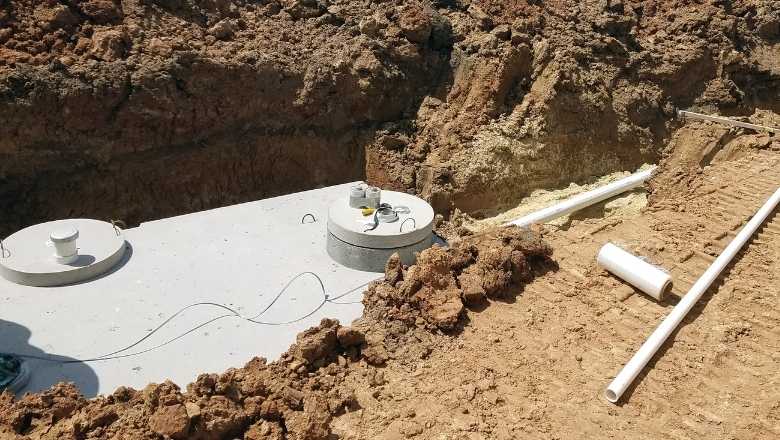
- Septic tank filling faster than expected
- Drain field saturation or poor drainage conditions
It’s tempting to assume the problem is always in the sink or tub. But in many cases, the issue begins deeper—at the main line or septic tank level.
That’s why slow drainage should never be treated like a “minor annoyance.”
It’s usually a warning.
What Happens When Slow Drains Get Ignored?
If slow drains were harmless, they wouldn’t come with smells, gurgling noises, and water pooling in your shower like a sad indoor pond.
Ignoring slow drains can lead to:
- Drain backups into tubs, toilets, or floor drains
- Sewer-like odors are spreading through the home
- Mold and moisture damage in flooring and drywall
- Increased pressure on pipes, causing cracks or leaks
- Septic system overload
- Costly emergency pumping or repair work
And here’s the part most homeowners don’t realize:
Slow drains are often the “early stage” of septic failure.
If your septic tank is nearing capacity, wastewater doesn’t leave your home efficiently. The system slows down. Your plumbing starts acting strangely. And eventually, it can lead to backup events that no homeowner wants to experience.
This is why recognizing drain blockage warning signs early can save thousands later.
Mistake #1: Ignoring the Problem and Hoping It Fixes Itself
This is the classic mistake.
People notice the shower draining slowly but think, “It’s probably nothing.”
Then the bathroom sink slows down too.
Then the toilet bubbles.
Then the smell shows up.
By the time homeowners take action, the problem has evolved into something much bigger.
Why This Mistake Happens
- Busy schedules
- Assuming it’s a “temporary clog.”
- Not understanding the difference between local blockage and system-wide trouble
What to Do Instead
Treat slow drains like a warning light on your car. You don’t wait for smoke—you check the engine.
Call a professional early if:
- More than one drain is slow
- You notice gurgling drains cause noises
- You smell a foul odor from the drains
- Water backs up after flushing
This is especially important in areas like Idaho Falls and Rigby, where many properties rely on septic systems rather than city sewer connections.
Mistake #2: Overusing Chemical Drain Cleaners
It’s understandable. When water starts pooling, people want fast results.
But chemical drain cleaners can be a costly mistake.
Why Chemical Cleaners Can Make Things Worse
- They often don’t remove the clog—just burn a hole through part of it
- They can damage older pipes over time
- They can harm septic system bacteria (the bacteria your tank needs to function)
- They create safety hazards for anyone servicing the drain afterward
If you rely on a septic system, repeated use of chemical cleaners can disrupt the natural breakdown of waste in your tank.
That means more sludge buildup and faster filling.
In short, chemical drain cleaners may “feel productive,” but they often create long-term slow-drain problems.
Better Alternatives
- Hot water flushes (for minor grease buildup)
- Enzyme-based septic-safe products (used sparingly)
- Professional evaluation when symptoms repeat
Mistake #3: Using Improper Tools (and Accidentally Causing Damage)
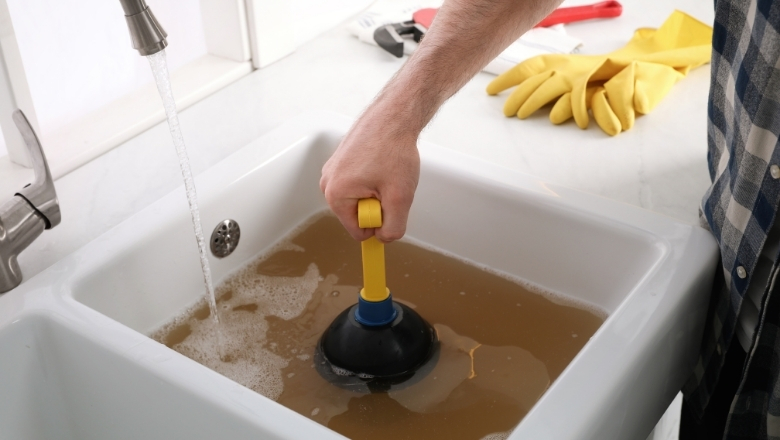
Many homeowners try to handle slow drains with tools that aren’t meant for the job—wire hangers, makeshift rods, cheap plastic snakes, and aggressive plunging.
And while it might work temporarily, it can also:
- Scratch pipe interiors
- Push blockages deeper into the system
- Break seals or joints
- Damage older PVC or cast-iron pipes
A Common Scenario in Eastern Idaho
In colder months, ground shifting and freezing conditions can already stress pipes. If a homeowner forces a clog deeper, the next step might not be “slow draining”—it could be a full backup.
When to Stop and Call Professionals
If you’ve attempted basic clearing and the drain still slows down again within a week or two, that’s a sign the blockage is deeper—or related to septic conditions.
This is where professional drain cleaning service matters. Not because homeowners can’t try, but because repeated issues are rarely surface-level.
Mistake #4: Forgetting About Septic Maintenance Entirely
This is one of the biggest causes of recurring drainage issues.
People maintain roofs, HVAC systems, and appliances… but forget that their septic system quietly works hard every single day.
And when septic tanks aren’t serviced, the consequences first show up in drains.
Signs of septic system problems that often get ignored
- Slow drains across the home
- Toilets flushing sluggishly
- Gurgling sounds in pipes
- Standing water in the yard near the drain field
- Bad odors indoors or outside
- Frequent clogs with no clear cause
These are all classic symptoms of a septic tank being full.
Why Septic Service Matters
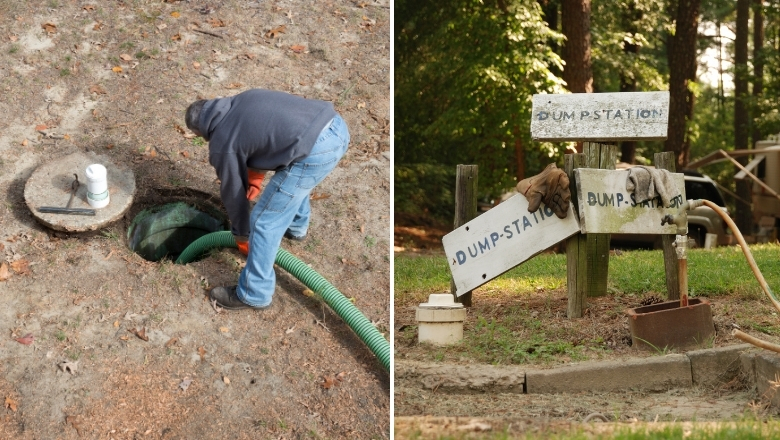
Routine septic service isn’t just maintenance—it’s prevention.
- Pumping removes sludge buildup that naturally collects in the tank over time.
- When sludge isn’t removed, waste has nowhere to go, which slows down the entire drainage system.
- This often leads to slow drains, followed by gurgling, foul odors, and eventually a backup.
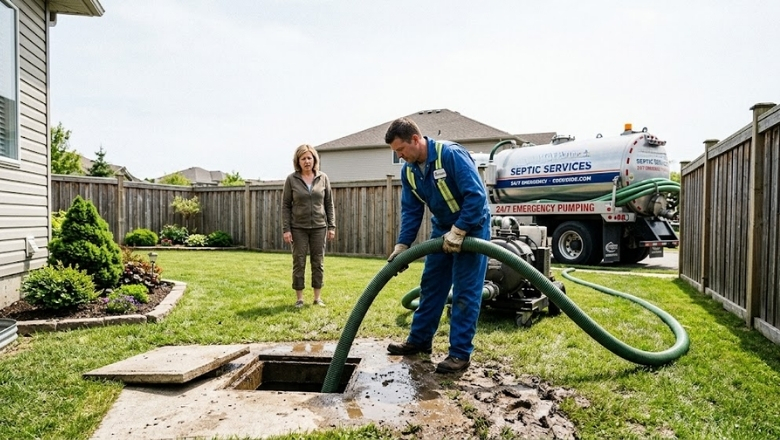
- For homes on septic systems, septic service for slow drains is often the most direct and effective solution—especially when multiple drains are affected at once.
- In Eastern Idaho, local soil conditions and seasonal changes can put extra stress on septic systems, which is why working with experienced providers like MVP Rentals can make a real difference.
Mistake #5: Flushing the Wrong Items (Even “Flushable” Ones)
Let’s be blunt: the toilet is not a trash can.
Even if a product says “flushable,” that does not mean it breaks down safely in your plumbing or septic tank.
Common Items That Cause Blockages
- Baby wipes and “flushable wipes.”
- Feminine hygiene products
- Paper towels
- Cotton swabs
- Dental floss
- Grease and cooking oil
- Cat litter
These materials don’t break down properly, and they accumulate in pipes or septic tanks.
Over time, they contribute to sludge buildup, leading to slow drainage, backups, and the need for expensive pumping.
The Smart Rule
If it’s not human waste or toilet paper, it shouldn’t go down the toilet.
This is one of the easiest ways to prevent drain clogs at home—and protect your septic system.
Mistake #6: Waiting Until a Backup Happens
This is the most expensive mistake on the list.
Because once wastewater backs up into your home, you’re no longer dealing with inconvenience—you’re dealing with contamination, cleanup, potential property damage, and stress.
Why Waiting Is Dangerous
Slow drains are the “warning phase.” Backup is the “failure phase.”
Once the system backs up:
- The clog is usually severe
- The septic tank may be overfilled
- Pipes may be compromised
- Cleanup costs can rise fast
Drain Backup Prevention Starts Early
If you catch issues early—especially the first signs like gurgling or odor—you can often prevent a major event.
If you’re wondering when to call septic service, the answer is:
Before the backup. Always before the backup.
Mistake #7: Choosing Unqualified Service Providers
When slow drains become urgent, people sometimes hire whoever is available fastest—without checking credentials, service quality, or local experience.
That’s risky.
A poorly handled service can:
- Miss septic-related causes
- Treat only surface symptoms
- Fail to identify deeper blockages
- Leave you with recurring slow drains weeks later
What to Look For in a Provider
Choose a company that:
- Understands septic systems (not just indoor plumbing)
- Has experience in Eastern Idaho properties and soil conditions
- Can provide appropriate septic service support when needed
- Offers reliable scheduling and communication
In the Eastern Idaho region, companies like MVP Rentals have built their reputation around service reliability—something homeowners and event planners both need when sanitation issues can’t wait.
Quick Checklist: Drain Trouble Signals You Should Never Ignore
If you want a fast “screenshot-worthy” reference, here it is:
Drain Red Flags Checklist
If you notice two or more, it’s time to call a professional:
- Water drains slowly in multiple fixtures
- The toilet bubbles when the sink drains
- You hear gurgling after flushing
- Foul odor from drains appears regularly
- Water backs up in the tub/shower
- Standing water in the yard near the septic area
- Drain clog returns repeatedly
- Plumbing issues causing slow drains happen frequently
These are not “small issues.” They are early system warnings.
A Quick Comparison: Local Clog vs Septic Issue
People often misdiagnose slow drains. This table makes it simple:
| If This Happens… | It’s Likely a Local Drain Clog | It’s Likely a Septic/System Issue |
| Only one sink drains slowly | Yes | Unlikely |
| Multiple drains slow down | Not usually | Yes |
| Odors appear inside the home | Possible | Very likely |
| Toilet gurgles frequently | ️ Possible | Likely |
| Backup happens in the tub first | Rare | Common |
| Yard smells unpleasant | No | Yes |
This is why homeowners should never assume slow drains are always “just hair.”
Many times, the system is asking for help.
Final Takeaway: Fix the Drain, But Protect the Whole System
Slow drains are one of those household problems that feel small—until they suddenly aren’t.
Whether you’re a homeowner in Idaho Falls who keeps fighting the same stubborn bathroom drain or a property manager in Rigby just trying to keep things running smoothly, catching the real problem early makes all the difference. The goal isn’t simply to get water flowing again—it’s to avoid the kind of system failures that turn into late-night stress, messy cleanups, and bills you weren’t expecting.
For folks across Southern and Eastern Idaho who need dependable septic support and sanitation help, MVP Rentals has been there for both homeowners and businesses alike. If something feels off with your drainage or you’d rather get ahead of a potential backup before it ruins your week, give us a call and talk through what’s going on—sometimes a quick conversation is all it takes to figure out the right next step.
Contact us at (208) 529-9916 to schedule an appointment with our team today.