It’s Saturday morning. Coffee brewing. Kids are eating breakfast. Then—gurgling sounds from the basement bathroom. Water is rising in the shower drain instead of going down. Ten minutes later, raw sewage is spreading across the basement floor. Party’s over. Weekend’s ruined. And the estimate? Fifteen grand, minimum.
This exact scenario happened to a homeowner in Boise last year. Five years without pumping their septic tank. “Seemed fine,” they said until it wasn’t.
Here’s the brutal truth about household wastewater systems: they don’t warn you nicely. No email reminder. No courtesy call. They just stop working, usually at the worst possible moment. And when they fail, the mess—both physical and financial—lands entirely in your lap.
Most property owners never think about what’s buried under their yard until something goes catastrophically wrong. Septic system maintenance service sounds boring until you’re standing in sewage explaining to your insurance company why you haven’t pumped your tank since 2018.
This breakdown shows exactly what happens when service gets pushed off indefinitely, why tanks reach their breaking point, and how skipped appointments create perfect conditions for disaster.
Understanding the Impact of Skipping Regular Septic Service
Why Septic Service Matters
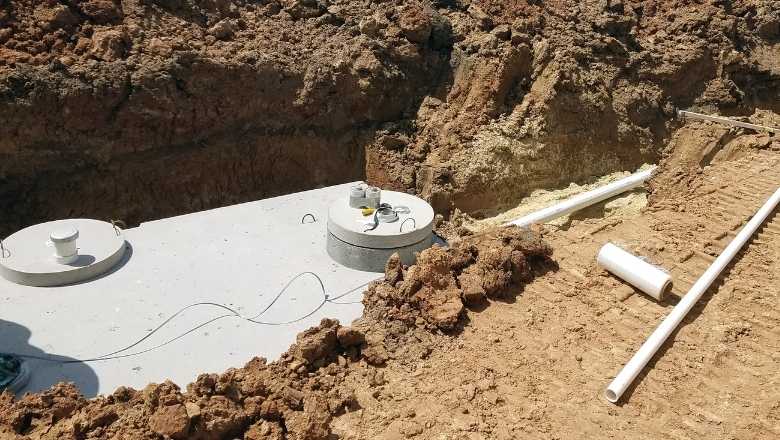
Every single drop of water leaving your house—showers, dishes, laundry, toilets—flows into that underground tank. All day. Every day. Never stops.
Inside, waste naturally separates:
- Heavy solids drop down (become sludge)
- Oils and grease float up (form a scum layer)
- Clarified water stays in the middle (flows to the drain field)
This three-layer setup works brilliantly. Until it doesn’t. Skip septic tank pumping long enough, and those sludge and scum layers keep expanding. The middle zone shrinks. Eventually, solids start escaping into your drain field—a space engineered exclusively for liquids.
A Surprising Fact:
The EPA reports that 21.7 million American households depend on septic systems. One in five homes. But here’s the kicker—the EPA also found that most failures happen because of poor maintenance, not equipment defects or bad installation.
Translation? Most sewage disasters are totally preventable. People just don’t do the maintenance.
| What Gets Skipped | What Actually Happens |
| Pumping every 3–5 years | Sludge escapes the tank and enters the drain field, clogging the soil and reducing its ability to absorb wastewater |
| Annual inspections | Small cracks and early wear go unnoticed, slowly turning into major leaks over time |
| Drain field checks | Saturation builds beneath the surface without visible warning until the system can no longer function |
| Baffle inspections | Wastewater flows improperly through the tank, greatly increasing the risk of backups and system stress |
Here’s What Homeowners Miss:
Problems develop slowly. Invisibly. By the time symptoms appear, serious damage has already occurred. Prevention means staying ahead of issues, not reacting after they’ve already caused thousands in damage.
The Chain Reaction: How Neglect Leads to Sewage Damage
1. Sludge Buildup Overwhelms the Tank
Sludge and scum buildup never stops. Continuous process. Can’t prevent it—only manage it.
Think of your septic tank like a bathtub that never drains. Keep adding water without removing any, and eventually it overflows. Except with septic tanks, overflow means sewage backing into your house instead of water spilling on the floor.
Early warnings most people ignore:
- Septic tank odor issues around the tank or random yard spots
- Drains are making gurgling noises when toilets flush
- Toilets are taking forever to clear completely
- Wet patches in the lawn that never dry out
These signs of septic problems mean trouble’s already developing. Ignoring them just accelerates the timeline.
Do You Know?
According to EPA guidelines, septic tanks should be pumped every three to five years. Yet homeowners routinely stretch this to 7, 10, even 15 years. Then they’re shocked—genuinely surprised—when sewage backs up into their basement. “But we’ve lived here 12 years and never had problems!”
Right. Until you did.
2. Clogged Drain Field Causes System Failure
Your drain field handles final treatment. Liquid from the tank spreads into the surrounding soil, where it naturally filters out remaining contaminants. Works perfectly when maintained properly.
But solid particles escaping an overfull tank? They infiltrate the drain field. Clog microscopic soil spaces. Water stops absorbing. Pools on the surface instead.
A clogged drain field produces these symptoms:
- Standing water over drain lines (even during dry weather)
- Sewage smell wafting across your yard
- Spongy ground that stays soggy year-round
- Bright green grass growing over the field in winter
Drain field failure means replacement, not repair. USDA Rural Development data shows typical costs running $5,000-$20,000. That’s complete reconstruction money, not fix-it costs.
Here’s Something Interesting:
Drain fields don’t collapse overnight. Damage accumulates gradually—usually 2-5 years of neglect before hitting critical failure. During this entire degradation period, homeowners notice absolutely nothing wrong. Then one major rainstorm hits, and suddenly their yard’s a sewage swamp. “It was fine yesterday!” No. It wasn’t. You just didn’t know yet.
3. Damage to Plumbing and Internal Drains
Once wastewater can’t exit through the drain field, it backs up. Physics doesn’t give you options. That sewage goes somewhere. Usually, it flows back into your house through blocked sewer lines.
Sewage backup prevention becomes impossible at this stage. The system’s already failed. Raw sewage comes up through:
- Basement floor drains (first place it surfaces)
- Lower-level toilets (overflows when flushed)
- Shower drains (fills from the bottom up)
- Washing machine standpipes (flood the laundry room)
Sewage contamination in living spaces creates immediate health hazards and requires professional cleanup. And insurance? Many policies specifically exclude damage from “lack of maintenance.” You’re on your own financially.
Health and Environmental Risks of Sewage Damage
Health Risks You Can’t Ignore
Raw sewage isn’t just disgusting. It’s legitimately dangerous. Sewage overflow hazards include:
- E. coli and Salmonella (bacterial infections)
- Hepatitis A and Norovirus (highly contagious viruses)
- Giardia and Cryptosporidium (parasites)
- Mold growth in contaminated materials
Young kids? Elderly relatives? Anyone with compromised immunity? They’re at serious risk. Brief contact with contaminated surfaces can trigger illness requiring medical treatment.
Did You Know?
The CDC identifies failing septic systems as major contributors to waterborne disease outbreaks. When one system fails and leaks into groundwater, contamination spreads through aquifers. Doesn’t just affect that one property. It can impact dozens of neighboring wells and water sources.
One person’s neglect becomes everyone’s problem.
Environmental Impact
The environmental impact of sewage spreads far beyond property lines:
- Groundwater pollution (ruins drinking water sources)
- Algae blooms in lakes and streams (nitrogen overload)
- Long-term soil contamination
- Damage to wildlife and native plants
Multiple properties skipping maintenance? Cumulative effects can trigger mandatory government remediation programs costing taxpayers millions. Your tax dollars are being used to clean up someone else’s neglected septic system.
Costly Consequences of Not Maintaining Your Septic System
Skipping service looks smart financially. Until the bill arrives.
| Issue Caused by Septic Neglect | What Happens | Why the Impact Increases |
| Skipped routine pumping | Solids accumulate inside the tank instead of being removed | Leads to blockages, backups, and increased strain on the entire system |
| Emergency pumping | The system fails without warning | Requires urgent response, specialized equipment, and unplanned service |
| Drain field damage | Wastewater saturates and contaminates surrounding soil | Repairs grow in scope based on soil conditions, spread of contamination, and site access |
| Indoor sewage backup | Wastewater enters finished living spaces | Porous materials like carpet, drywall, and insulation must be removed and replaced |
| Sewage cleanup & restoration | Contaminated areas require professional treatment | Involves biohazard cleanup, antimicrobial treatment, and reconstruction work |
| Full system failure | The tank or drain field can no longer function | The scale of work depends on system size, property layout, permitting, and site conditions |
Sewage cleanup costs explode because you’re not just pumping a tank. Contaminated carpet? Gone. Drywall that absorbed sewage? Ripped out. Insulation? Replaced. HVAC system? Potentially decontaminated. Every surface gets antimicrobial treatment.
Here’s What Nobody Tells You:
Insurance policies typically contain exclusions for “gradual deterioration” and “lack of maintenance.” That $18,000 cleanup bill? Probably coming entirely from your savings. No insurance help. No cost sharing. Just an expensive education about preventive maintenance.
How Regular Septic Service Prevents Sewage Problems
1. Routine Pumping Saves Systems
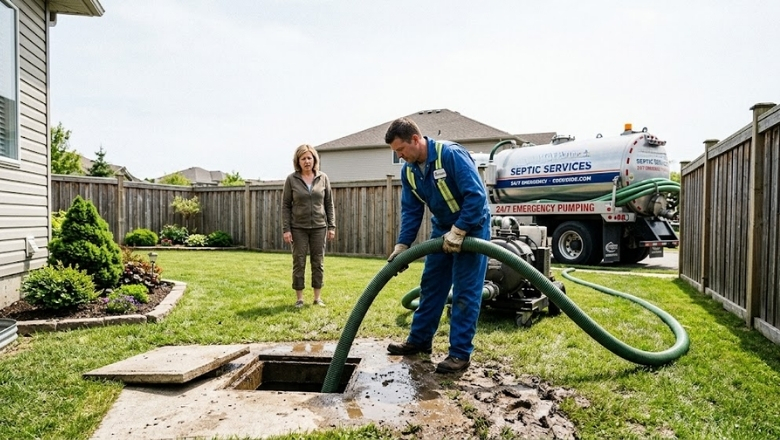
Scheduled septic tank pumping removes sludge before it reaches dangerous levels. Most homes need service every 3-5 years based on:
- Household size
- Tank capacity (typically 750-1,500 gallons)
- Daily water usage
- Garbage disposal use (significantly increases solids)
Maintaining a strict septic service schedule keeps systems operating within design parameters and provides reliable sewage backup prevention.
2. Professional Inspections Catch Problems Early
Regular septic tank inspection spots trouble before it becomes catastrophic:
- Tank wall cracks (fixable now, disaster later)
- Damaged baffles are disrupting waste separation
- Early drain field saturation indicators
- Tree roots are infiltrating pipes
Problems found during routine inspections are typically minor and straightforward to address. The same issues, when left unnoticed until a septic system failure occurs, often escalate into extensive damage that requires a full system replacement and major corrective work.
Preventive maintenance versus emergency disaster response. Your choice.
3. Maintenance Recommendations
Septic-safe household habits can help protect your system:
- Space out water usage – Don’t run eight loads of laundry Saturday morning
- Watch what you flush – Human waste and toilet paper only (never wipes)
- Keep grease out of drains – Pour cooking oil in the trash, not down the sink
- Choose products carefully – Harsh antibacterials kill beneficial bacteria
- Fix leaks immediately – Dripping faucets and running toilets flood your system
These practices support effective wastewater treatment at home between professional service visits.
4. System Stress Factors
| Stress Source | Why It Damages the System | How to Prevent It |
| Excessive water volume | Overloads the tank and saturates the drain field | Fix leaks promptly and spread out high-water activities like laundry |
| Chemical overload | Kills the beneficial bacteria needed to break down waste | Use only septic-safe cleaners and household products |
| Deferred pumping | Allows sludge levels to reach critical limits | Follow a consistent pumping schedule every 3–5 years |
| Physical impact | Cracks components and compacts soil, leading to leaks | Never drive, park, or place heavy objects over the tank or drain field |
A Surprising Fact:
Research from the University of Alabama, cited in EPA grant documentation, indicates that approximately 25% of U.S. residents—roughly 80 million people—rely entirely on septic systems. That’s the combined populations of California and Texas treating wastewater on their own properties. No municipal backup. No city sewer connection. Just their septic system stands between functional plumbing and a sewage disaster.
A Smarter Final Takeaway: Protect What Works Before It Fails
Septic systems don’t hide their distress. They send warnings—slow drains, strange odors, soggy sections of the yard. The question isn’t whether neglect causes problems. The question is whether you respond to early signals or wait for a catastrophe.
For Idaho property owners, protecting septic system health through consistent professional service means avoiding septic tank overflow, sewage contamination, and financially devastating emergency septic tank repair. Whether needing professional septic service in Rigby, Twin Falls, Rexburg, Pocatello, Idaho Falls, Montpelier, ID, or the nearby areas, routine attention protects property value and prevents cascading disasters that follow neglect.
MVP Rentals emphasizes preventive care and thorough maintenance protocols. Our approach recognizes that drain field damage and system failures occur when routine care is postponed—and that professional service delivered on schedule costs dramatically less than emergency intervention after a breakdown.
For property owners ready to implement smart wastewater management and avoid expensive consequences of deferred maintenance, professional expertise makes the critical difference.
Reach out to MVP Rentals at (208) 529-9916 to discuss septic service options and establish a maintenance schedule to protect your investment in the long term.